Skip to content
Why Do People Search for a Website Designer Near Me Instead of the Best or Cheapest?
In the age of global connectivity and remote work, you might wonder why many people still search for a website designer near them instead of simply opting for the best or cheapest online option. The answer lies in the need for trust, control, local knowledge, and effective communication. However, while hiring locally has clear advantages, it’s also important to consider how a fresh, outside perspective can bring long-term branding benefits and cost-effectiveness.
The Need for Control and Clear Communication
One of the main reasons people search for a website designer near them is the desire for control over the design process. When working with a local designer, clients often feel more at ease because they can meet face-to-face. This personal connection makes explaining their vision and needs for the website more accessible, ensuring that the final product aligns closely with their expectations.
In-person meetings allow us to discuss the finer details of a project without the delays or misunderstandings that can sometimes occur over emails or phone calls. When something is crucial to your business—such as your online presence—meeting your designer in person can help alleviate the anxiety of long-distance miscommunication.
Additionally, a local website designer is likely more accessible for quick troubleshooting, updates, or changes to the website as the business evolves. This close contact can foster a more trusting, productive relationship.
Local Knowledge and Market-Specific Insights
Another critical factor is the local knowledge a website designer near you can offer. A designer familiar with your area understands the local market dynamics, competition, and audience preferences. For example, a business in New York City might need a vastly different website aesthetic and functionality than one in a small town in the Midwest. This local knowledge can help tailor your website to resonate more effectively with your target audience.
A local website designer might also know your competitors personally or have experience working with businesses in your industry. This means they can provide insights into what works in your market and suggest design and functionality options that will give you a competitive edge. This familiarity can be invaluable, whether incorporating local SEO strategies or understanding region-specific trends.
The Benefits of a Fresh Perspective
While the desire for control and local knowledge is essential, it’s worth considering the benefits of hiring a website designer who isn’t located near you. A fresh set of eyes can bring creativity, innovation, and new ideas that may not be as easily found within your local market. A designer from another region or country might introduce new branding strategies or design trends that haven’t yet reached your area, giving your website a unique edge.
Hiring a designer who isn’t tied to local norms can also help push your brand beyond regional expectations and help establish a more robust national or international presence. This outside perspective can provide a long-term branding boost for businesses looking to grow or expand that aligns with future goals rather than current trends.
Additionally, remote designers are often accustomed to working with clients from different locations and can offer more flexibility. They may also be more cost-effective because they don’t have to meet in person, which can reduce time and travel expenses for both parties. A broader pool of designers also allows you to find a balance between affordability and expertise, which may not always be available locally.
Balancing Local Expertise with Long-Term Strategy
Ultimately, choosing between hiring a “website designer near me” and looking beyond your local area depends on your business’s specific needs and long-term goals. A local designer may be the best fit if you focus on establishing a website that deeply connects with your local market and ensures ongoing support. Their local expertise and proximity allow for hands-on collaboration, which many business owners find reassuring.
On the other hand, if you’re looking for fresh, creative input that might differentiate your brand on a larger scale, expanding your search to include designers from outside your immediate area could lead to more innovative results. This approach can be especially beneficial for companies looking to grow beyond their local market or redefine their branding.
What Services Can You Expect from a Website Designer?
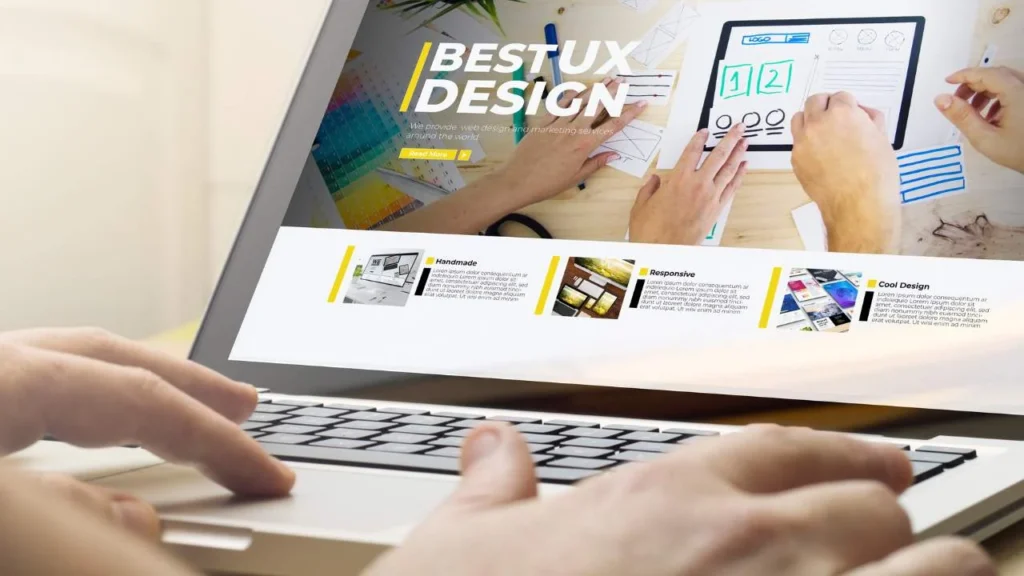
When working with a website designer, you can expect a wide range of services tailored to create a professional and functional online presence. Typically, these services include:
- Custom website design, where the designer works closely with you to create a unique layout that reflects your brand identity.
- Website designers also offer responsive design, ensuring your site works seamlessly on all devices, from desktops to smartphones.
- Many designers provide SEO optimization to help your site rank higher in search engine results, driving more traffic.
- Additional services might include integrating e-commerce functionality, content management systems (CMS) like WordPress, ongoing site maintenance, and performance optimization to keep your site running smoothly.
Whether starting from scratch or redesigning an existing site, a skilled designer can offer comprehensive solutions to meet your business goals.
Typical Structure and Necessary Documents to Work with a Website Designer in 2024
Working with a website designer in 2024 involves clear communication, proper planning, and documentation to ensure both parties are aligned throughout the project. Here is a typical structure and the necessary documents to successfully collaborate with a website designer:
1. Initial Consultation/Discovery Document
- Purpose: Gather information about your business, target audience, project goals, and design preferences.
- Contents: Questions about brand identity, design inspiration, website goals (e.g., lead generation, e-commerce), target audience demographics, desired functionalities (e.g., blog, contact forms), and competitor analysis.
2. Project Proposal/Scope of Work (SOW)
- Purpose: To outline the agreed-upon services, timeline, and costs.
- Contents: Detailed breakdown of the project phases (e.g., design, development, testing), deliverables (e.g., mockups, final website), timelines for each phase, and the cost for services. This document also includes any revisions or iterations expected during the design process.
3. Contract/Service Agreement
- Purpose: To legally bind the terms of the engagement between you and the designer.
- Contents: Payment terms (e.g., deposit, installment payments, or upon completion), intellectual property rights, revision limits, deadlines, confidentiality clauses, and termination conditions.
4. Design Brief
- Purpose: To provide the designer with a clear understanding of your vision and design preferences.
- Contents: Specific color schemes, typography preferences, logos, imagery, mood boards, example websites, and other visual elements that reflect your brand identity. This document guides the designer in making stylistic choices.
5. Wireframes/Site Map
- Purpose: To present a visual guide for the structure and navigation of the website before the actual design begins.
- Contents: A rough layout of each page, showing the placement of key elements like headers, images, text blocks, and calls to action (CTAs)—a site map lists all your website’s pages and how they interconnect.
6. Mockups/Design Comps
- Purpose: To show a detailed visual representation of the website’s appearance based on the wireframes and design brief.
- Contents: High-fidelity static website design images for desktop and mobile views. These may include color schemes, typography, imagery, and the final layout. This step allows for client feedback before development begins.
7. Development Plan
- Purpose: To transition the approved design into a functional website.
- Contents: Details about the technology stack (e.g., HTML/CSS, JavaScript frameworks, CMS like WordPress), timelines for coding each section of the website, and any additional integrations (e.g., e-commerce platforms like Shopify, CRM systems, SEO tools).
8. Content Plan
- Purpose: To structure and provide the written and media content needed for the website.
- Contents: Content strategy outlining where content will appear, deadlines for content submission (e.g., text, images, videos), SEO considerations, and the integration of keywords like “website designer near me,” as well as a content management schedule for ongoing updates.
9. Testing and Quality Assurance (QA) Document
- Purpose: To ensure the website is fully functional and meets all the outlined specifications before launch.
- Contents: A checklist of tasks to be tested, including device functionality, browser compatibility, loading speeds, form functionality, and SEO performance. This document also outlines bug-fixing protocols.
10. Launch Plan
- Purpose: To smoothly transition the website from development to a live environment.
- Contents: Step-by-step process for transferring the site to your domain, final testing after migration, client training on how to use the CMS, and a timeline for post-launch support.
11. Maintenance Agreement
- Purpose: To outline ongoing support and updates after the website is live.
- Contents: Details on updates (e.g., security patches, content updates, performance checks), how frequently updates will occur, and the cost structure for ongoing support.
Conclusion
People search for a “website designer near me” because they value personal control, clear communication, and local knowledge. However, while these factors are essential, don’t overlook the potential advantages of working with a designer outside your region. A fresh perspective could bring innovative ideas, branding expertise, and cost-efficiency that might be difficult to find locally.
Whether you choose a local designer or broaden your search, the most important thing is finding a professional who understands your vision, has the skills to bring it to life, and aligns with your business goals. Your website is a critical component of your business’s online presence, so take the time to choose a designer who will create a site that serves both your immediate needs and your future growth.
Here, you may find a helpful checklist to know what to expect from the website designer and be ready to fulfill these expectations.
Coderfy’s Website Designer Checklist